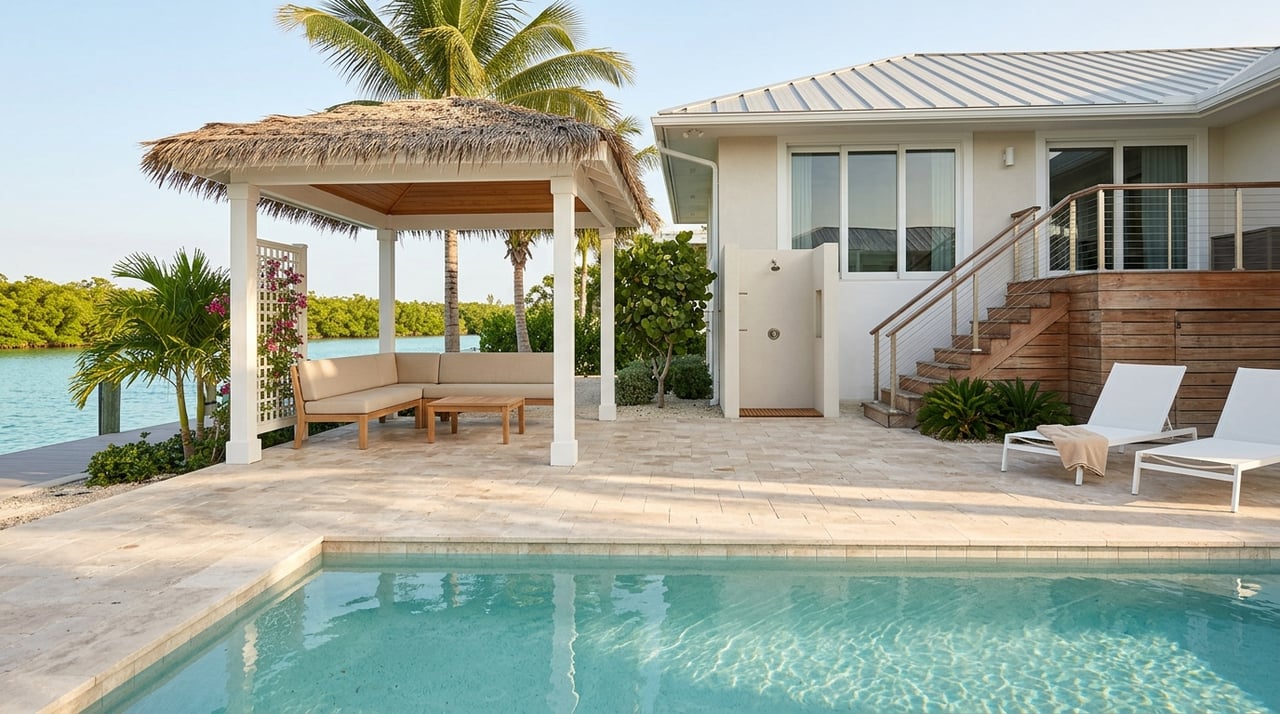
Dreaming about a place where you can leave mainland noise behind, step onto your dock, and be on the water in minutes? If you are thinking about buying a second home or retreat on Little Torch Key, you are probably looking for more than just another house. You are looking for a lifestyle that feels calm, practical, and deeply connected to boating and the outdoors. This guide will help you understand what makes Little Torch Key unique, what to look for in a property, and which local details matter most before you buy. Let’s dive in.
Why Little Torch Key Appeals to Second-Home Buyers
Little Torch Key has a distinctly residential feel in the Lower Keys. Monroe County describes the State Road 4A area as a residential canal area with access to open water and designated trailer parking, and the broader Lower Keys planning area is intended to remain low-density and primarily residential.
That planning context shapes the experience you get as an owner. Instead of a dense, highly commercial setting, you are buying into a quieter island environment where water access, outdoor living, and a slower pace often take center stage.
The surrounding Lower Keys also reflect a nature-first setting. Protected areas like the National Key Deer Refuge and the Florida Keys National Marine Sanctuary add to the sense that this part of the Keys is defined by natural surroundings as much as real estate.
What Homes Look Like on Little Torch Key
If you start browsing available homes, you will notice a few common themes. Recent listing snapshots show canal-front single-family homes, elevated homes with docks or lifts, mobile or manufactured homes, and occasional canal-front lots that may appeal to buyers thinking long term.
For many second-home buyers, the biggest value drivers are not only inside the home. Dockage, canal layout, elevation, and how easily you can get from the property to open water can matter just as much as updated finishes or square footage.
That is especially true if you plan to bring a boat or use the home as a true weekend retreat. A beautiful house may still be the wrong fit if the dock setup, canal depth, or boating access does not match how you want to spend your time.
Canal Access Matters More Than You Think
Not all canal-front properties function the same way. Monroe County’s canal information and local listing patterns suggest that some homes are better suited for larger boats and quicker runs to open water, while others may be more practical for kayaks, skiffs, or lighter boating.
That means your search should start with your lifestyle. If you picture offshore fishing days, reef runs, or frequent boating, the right canal setup can be a deciding factor. If your ideal retreat centers on paddleboarding, cruising, and easy water views, a different kind of property may suit you better.
Elevated Homes Can Offer Practical Advantages
Elevated homes are common in the Keys for a reason. In a market where floodplain conditions affect ownership costs, renovation planning, and future resiliency, elevation is not just a design feature. It is a practical detail that can influence your long-term comfort with the property.
When you compare homes, it helps to look beyond curb appeal. Ask how the structure is positioned relative to flood requirements, what improvements have been made, and whether key systems and living areas are set up with local conditions in mind.
The Lifestyle: Easygoing, Boating-Oriented, and Outdoors First
A second home on Little Torch Key is often about what happens outside the walls of the house. This is the kind of place where casual waterfront dining, boating access, and quick trips to nearby islands and parks shape daily life.
Kiki’s Sandbar & Grille at mile marker 28.5 gives owners a convenient on-island dining option with waterfront views, a tiki bar atmosphere, and live music. It is the kind of place that reinforces the relaxed, come-as-you-are side of the Lower Keys lifestyle.
For a more elevated experience nearby, Little Palm Island Resort & Spa sits three miles off Little Torch Key on a private island and is reached only by boat or seaplane. Nearby resort-style properties like Parmer’s Resort and Little Torch Cottages also reflect how strongly this area is tied to water access and laid-back coastal living.
Boating Convenience Is a Real Selling Point
For many buyers, one of Little Torch Key’s biggest strengths is practical access to the water. Monroe County maintains a public boat ramp on Little Torch Key at State Road 4A, and the area includes designated trailer parking.
Nearby Sugarloaf Marina adds more convenience with boat ramps, fuel, fishing charters, kayak rentals, eco-tours, and a ship’s store. If you want a retreat where you can actually use your boat often instead of planning around long logistics, that matters.
Nearby Recreation Adds to Long-Term Value
Bahia Honda State Park is close enough to be part of your regular routine and offers a marina, two boat ramps, kayak rentals, and snorkeling excursions to Looe Key Reef. NOAA identifies Looe Key as one of the world’s most popular dive and snorkel sites.
That said, this is also a protected sanctuary area with special rules. If boating and reef access are part of your plan, it is important to understand that anchoring on coral, touching coral, and collecting coral are restricted, and weather and sea conditions always matter.
What to Check Before You Buy
Little Torch Key can be an excellent second-home market, but it rewards careful due diligence. In the Lower Keys, property details that might feel minor elsewhere can have a big effect on ownership costs, future projects, and your day-to-day experience.
Flood Risk and Insurance Basics
Monroe County states that all of the county is in a floodplain, with base flood elevations ranging from 6 to 17 feet above mean sea level. The county also notes that flood damage is not covered by standard homeowners insurance.
For buyers, this means flood risk should be part of your decision from day one. You will want to confirm the home’s flood zone, elevation details, insurance considerations, and how those pieces fit your budget and comfort level.
There is one helpful local point here. Monroe County participates in the National Flood Insurance Program and Community Rating System, and the county says residential NFIP policies in unincorporated Monroe County may qualify for a 25 percent discount.
Permits and Prior Work
Before closing, Monroe County advises buyers to confirm permit history. That is especially important in a second-home purchase, where a property may have had additions, repairs, enclosure work, dock changes, or other improvements completed over time.
If work was done without proper permits, the correction cost can fall to the new owner. Monroe County also notes that in Special Flood Hazard Areas, structures may need to be elevated to or above the 100-year flood elevation if improvements reach the 50 percent threshold.
In plain terms, renovation plans should be reviewed carefully before you commit. A house that looks move-in ready could still carry permit or compliance questions that affect your timeline and budget.
Sewer and Wastewater Status
Wastewater is another local item you do not want to overlook. Monroe County says Little Torch Key is part of the Cudjoe Regional Central Wastewater System.
The local service information indicates that owners may need to connect to low-pressure sewer, install compatible equipment, and abandon existing septic tanks or cesspits. For a second-home buyer, that can affect both ownership costs and future renovation planning, so it is worth verifying early.
Growth Rules and Future Changes
The Florida Keys operate differently from many mainland markets. Monroe County states that the area is an Area of Critical State Concern, and that ROGO and NROGO permit allocation systems are used to manage growth, hurricane evacuation capacity, and environmentally sensitive areas.
That matters if you are considering a fixer-upper, vacant lot, major addition, or rebuild strategy. New construction, expansions, and redevelopment can be more constrained here than buyers expect if they are coming from outside the Keys.
How to Choose the Right Little Torch Key Retreat
The best second home is not always the prettiest one online. It is the property that fits how you actually plan to use it and how comfortable you are with the realities of island ownership.
As you narrow your options, focus on a few practical questions:
- Do you want canal-front dockage, or is water proximity enough?
- What kind of boat, if any, do you plan to keep at the property?
- Is the home elevated in a way that supports your comfort with flood risk?
- Have the home’s improvements and systems been properly permitted and maintained?
- Is the property connected to the wastewater system, and what upgrades may be needed?
- Are you buying a turnkey retreat, or do you hope to renovate or expand later?
Those answers will help you separate a property that simply looks good from one that truly supports your lifestyle.
Why Local Knowledge Matters Here
In Little Torch Key, buying well often comes down to details that are easy to miss from a listing photo. Canal characteristics, boating practicality, permit history, floodplain context, and infrastructure can all shape whether a property feels like an easy retreat or a complicated project.
That is why local guidance is especially valuable in this market. When you work with someone who understands waterfront living, boating access, and the development realities of the Lower Keys, you can make decisions with a lot more confidence.
If you are considering a second home or retreat on Little Torch Key, Anneliese Dietrick can help you evaluate the details that matter most and find a property that fits the way you want to live in the Keys.
FAQs
What makes Little Torch Key appealing for a second home?
- Little Torch Key offers a low-density, primarily residential setting in the Lower Keys with strong boating access, canal-front housing options, and a relaxed outdoor lifestyle.
What types of properties are common on Little Torch Key?
- Buyers will often see canal-front single-family homes, elevated homes with docks or lifts, mobile or manufactured homes, and occasional canal-front lots.
Why is boating access important when buying on Little Torch Key?
- Boating access can directly affect how you use the property, since canal layout, dockage, and the route to open water may be just as important as the home itself.
What flood issues should buyers check on Little Torch Key?
- Buyers should confirm flood zone details, elevation, insurance implications, and whether the property’s condition and improvements align with Monroe County floodplain requirements.
Why should buyers verify permits before purchasing on Little Torch Key?
- Monroe County advises buyers to confirm permit history because unpermitted work may need correction at the new owner’s expense, and future renovations may trigger additional rules.
What wastewater question should buyers ask about Little Torch Key homes?
- Buyers should verify whether the property is connected to the Cudjoe Regional Central Wastewater System and whether any equipment or septic abandonment requirements apply.
